Forecast Details for Garner, IA

Recent Locations: Garner, IA  
Current Alerts for Garner, IA: Flood Warning
Overnight: Mostly cloudy, with a low around 49. North wind 5 to 7 mph.
Wednesday: A slight chance of showers between 3pm and 4pm, then a chance of showers and thunderstorms after 4pm. Partly sunny, with a high near 70. North northeast wind 6 to 8 mph. Chance of precipitation is 40%. New rainfall amounts between a tenth and quarter of an inch, except higher amounts possible in thunderstorms.
Wednesday Night: A slight chance of showers and thunderstorms between 8pm and 9pm. Patchy fog after 4am. Otherwise, mostly cloudy, with a low around 47. East northeast wind 5 to 7 mph becoming north northwest after midnight. Chance of precipitation is 20%.
Thursday: Patchy fog before 7am. Otherwise, sunny, with a high near 74. Northwest wind 5 to 13 mph becoming south southwest in the afternoon.
Thursday Night: Mostly clear, with a low around 53. South wind 10 to 14 mph, with gusts as high as 21 mph.
Friday: A slight chance of showers before 10am, then a slight chance of showers and thunderstorms between 10am and 1pm, then showers likely and possibly a thunderstorm after 1pm. Partly sunny, with a high near 76. Windy. Chance of precipitation is 60%. New rainfall amounts between a tenth and quarter of an inch, except higher amounts possible in thunderstorms.
Friday Night: A chance of showers and thunderstorms. Mostly cloudy, with a low around 30. Windy. Chance of precipitation is 40%.
Saturday: A slight chance of rain and snow showers before 1pm, then a slight chance of snow showers. Mostly sunny, with a high near 45. Windy. Chance of precipitation is 20%.
Saturday Night: Partly cloudy, with a low around 28. Windy.
Sunday: Sunny, with a high near 53.
Sunday Night: Mostly clear, with a low around 33.
Monday: Sunny, with a high near 67. Breezy.
Monday Night: Mostly clear, with a low around 46. Breezy.
Tuesday: Sunny, with a high near 71. Breezy.

Want more detail? Get the Complete 7 Day and Night Detailed Forecast!

Want to Receive our Free Daily Forecast Emails in your inbox by 5 a.m.?
There are no ads! Learn More
We respect your privacy and will not share or sell your email with anyone.

Current U.S. National Radar--Current

The Current National Weather Radar is shown below with a UTC Time (subtract 5 hours from UTC to get Eastern Time).

Current U.S. National Radar

National Weather Forecast--Current

The Current National Weather Forecast and National Weather Map are shown below.

Today's National Weather Map

National Weather Forecast for Tomorrow

Tomorrow National Weather Forecast and Tomorrow National Weather Map are show below.

Tomorrows National Weather Map

North America Water Vapor (Moisture)

This map shows recent moisture content over North America. Bright and colored areas show high moisture (ie, clouds); brown indicates very little moisture present; black indicates no moisture.

North American Water Vapor Map

Weather Topic: What are Shelf Clouds?

Home - Education - Cloud Types - Shelf Clouds
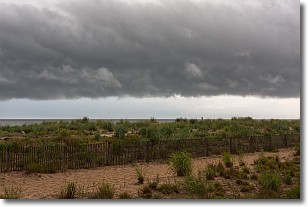
Shelf Clouds Next Topic: Sleet

A shelf cloud is similar to a wall cloud, but forms at the front of a storm cloud, instead of at the rear, where wall clouds form.

A shelf cloud is caused by a series of events set into motion by the advancing storm; first, cool air settles along the ground where precipitation has just fallen. As the cool air is brought in, the warmer air is displaced, and rises above it, because it is less dense. When the warmer air reaches the bottom of the storm cloud, it begins to cool again, and the resulting condensation is a visible shelf cloud.

Next Topic: Sleet

Weather Topic: What is Snow?

Home - Education - Precipitation - Snow
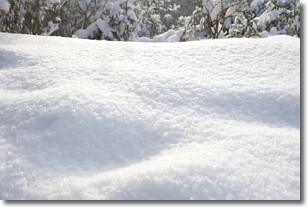
Snow Next Topic: Stratocumulus Clouds

Snow is precipitation taking the form of ice crystals. Each ice crystal, or snowflake, has unique characteristics, but all of them grow in a hexagonal structure. Snowfall can last for sustained periods of time and result in significant buildup of snow on the ground.

On the earth's surface, snow starts out light and powdery, but as it begins to melt it tends to become more granular, producing small bits of ice which have the consistency of sand. After several cycles of melting and freezing, snow can become very dense and ice-like, commonly known as snow pack.

Next Topic: Stratocumulus Clouds

Current conditions powered by WeatherAPI.com